

Before You Switch Sauce Suppliers, Ask These 7 Questions
Most operators switch sauce suppliers for one reason: the food stopped tasting right. What they don't expect is the set of problems that shows up after the switch.
Samples that never quite land. A first order that fills the storeroom for eight months. Orange chicken a shade darker than last month's. A stockout two weeks before the holidays. Every one of these was a question somebody forgot to ask before signing.
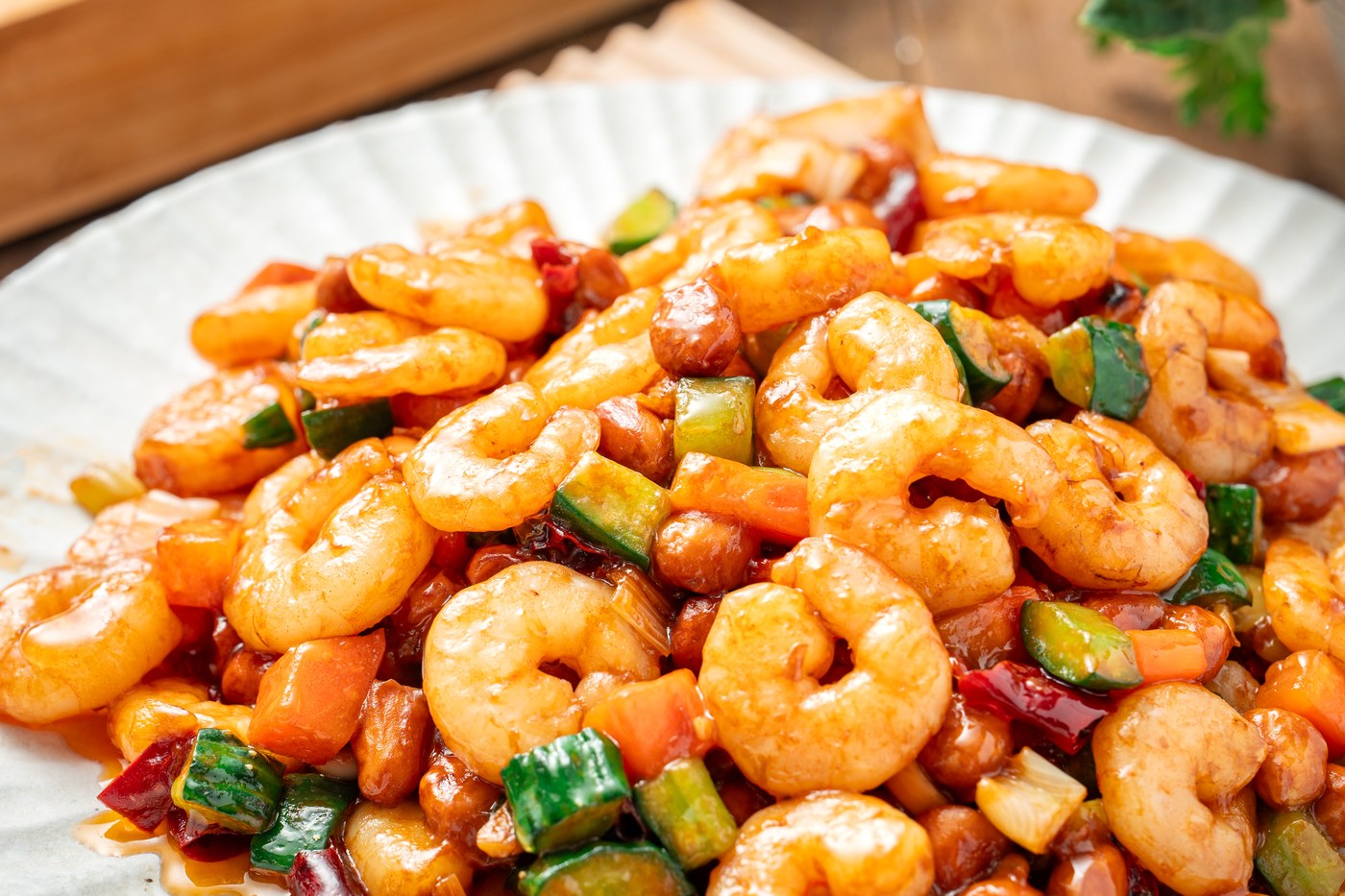
Kung Pao Shrimp — one sauce, the same plate, in every unit you open.
These seven questions come from operators who learned them the expensive way. Ask them of any supplier — including us.
01 · Do you want a recipe, or just a bucket?
Decide this first: are you buying a commodity sauce, or a product that tastes like your restaurant?
Off-the-shelf is fast, inexpensive, and available to everyone — which also means your orange chicken tastes like the orange chicken two blocks over. Custom development takes longer up front, but nobody can simply buy that flavor.
We do both. Still, the first question we ask any operator is: is this dish meant to be your signature, or is it filling a slot on the menu? The answer changes the entire plan.
02 · How many rounds until a sample is approved?
Sampling is where most deals quietly stall. One operator went through seven rounds, “let's tweak it once more,” and six months later the dish still wasn't on the menu.
Ask three things before you sign: are samples charged, how many rounds are included, and who owns the formula once it is locked.
A healthy process looks like this: adjustment within three rounds, both sides sign off on round three, then production runs to the signed sample. Do not skip the signature — it doubles as your acceptance standard.
03 · Will the minimum order match how much you actually use?
The classic new-store trap. The supplier's MOQ is 500 kg; you use 60 kg a month. Your first order just bought eight months of inventory, and the cash is sitting in a storeroom instead of working.
Ask about per-SKU minimums, whether several SKUs can be combined into one pallet or container, and whether there is a small-batch path for a trial run. A single-location operator and a ten-unit chain need fundamentally different arrangements.
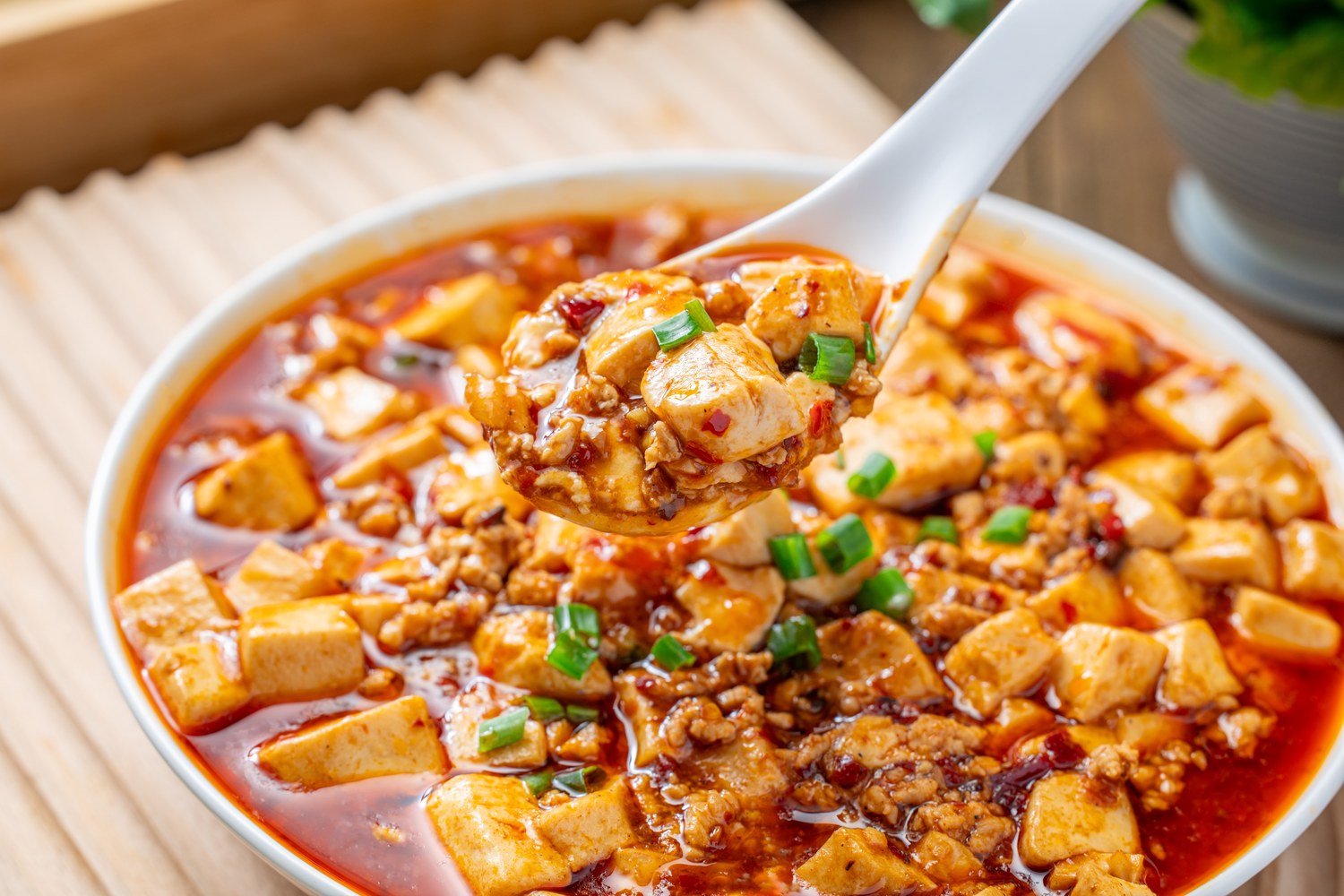
Mapo tofu — same chili oil ratio, same numbing level, every batch.
04 · What makes the next batch the same as this one?
The most important question on the list, and the one almost nobody asks.
“Our quality is very stable” is not an answer. A real answer sounds like: fixed origin and incoming acceptance criteria for raw materials, retained samples from every batch, sensory and lab checks before release, and a documented method for judging color and viscosity drift.

Kitchen Boss production base, Foshan, Guangdong — 20,000 m². Same parameters, same standard, every batch.
The difference between a workshop and a plant is not equipment. It is that a plant turns flavor into numbers somebody can check — instead of a cook's feel on any given afternoon.
05 · Who carries the risk when something goes wrong?
Swollen pouches on arrival. A flavor that is off. A container held at customs. Who pays?
The contract should state the acceptance window, the disposition of a rejected lot (replacement or credit), and who supplies export documentation. It is tedious to negotiate — and it is the paragraph that saves you tens of thousands when a container goes sideways.
Ask for the paperwork too: FDA registration, HACCP, FSSC 22000, HALAL, ISO, NSF. If a supplier cannot produce them on request, that tells you something.
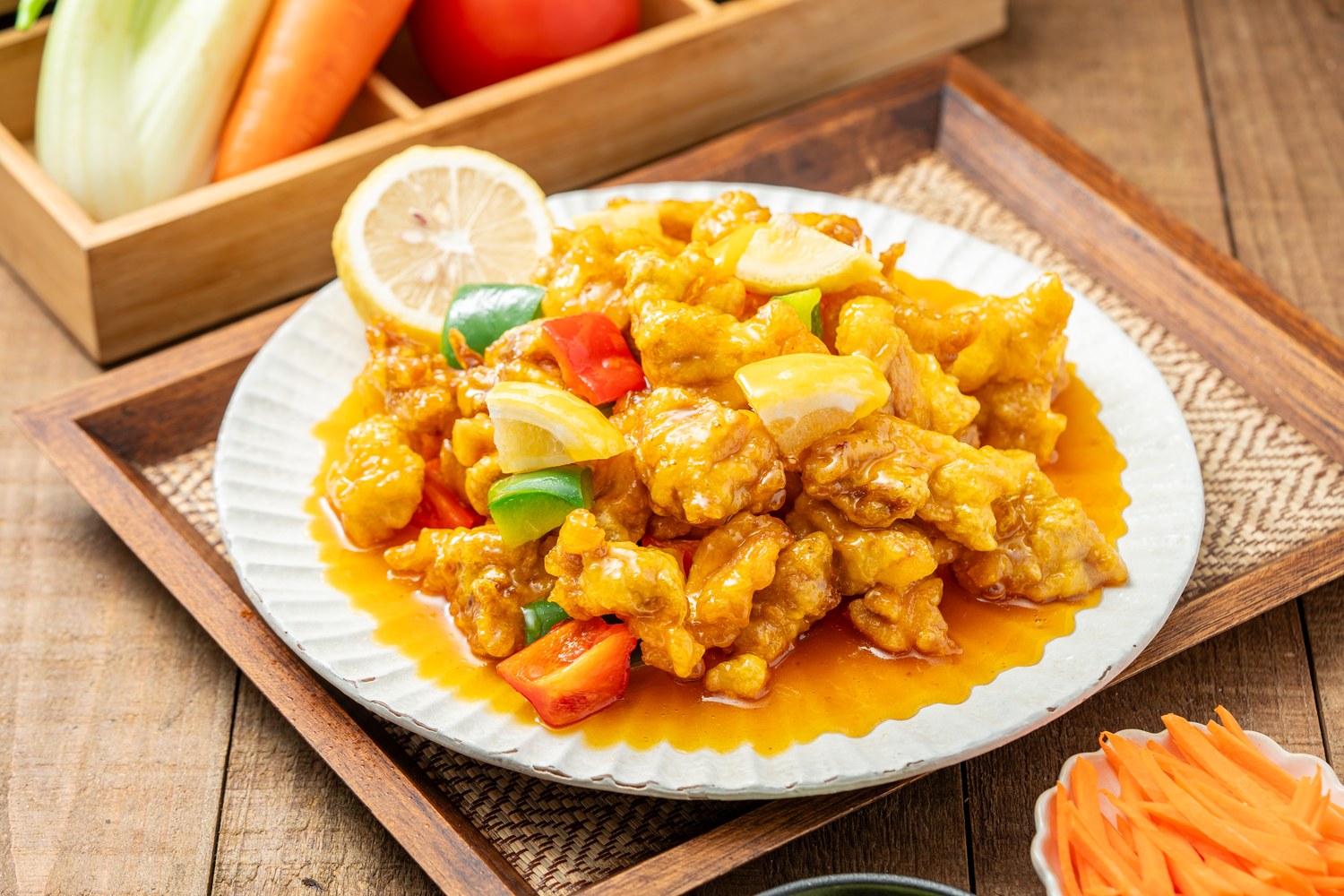
Lemon chicken — a dish that lives or dies on sauce consistency.
06 · What is the lead time, and what happens when you run out?
Hearing “it's on the water” two weeks before peak season is the worst sentence in this business. Ask for the standard lead time, production priority during peak periods, and whether safety stock can be reserved against your account.
Sauce is not apparel. Unsold inventory can sit. A customer who finds an empty shelf does not wait.
07 · When the chef leaves, does the recipe leave with him?
Uncomfortable, but every owner should ask it: is my signature dish stored in someone's head, or written down in a document?
The real value of standardization is not replacing a chef. It is converting flavor from a person into an asset. Orange chicken, General Tso's, sweet and sour, mapo tofu — four dishes that carry most of the American Chinese menu, and all of them should taste the same no matter who is on the wok.
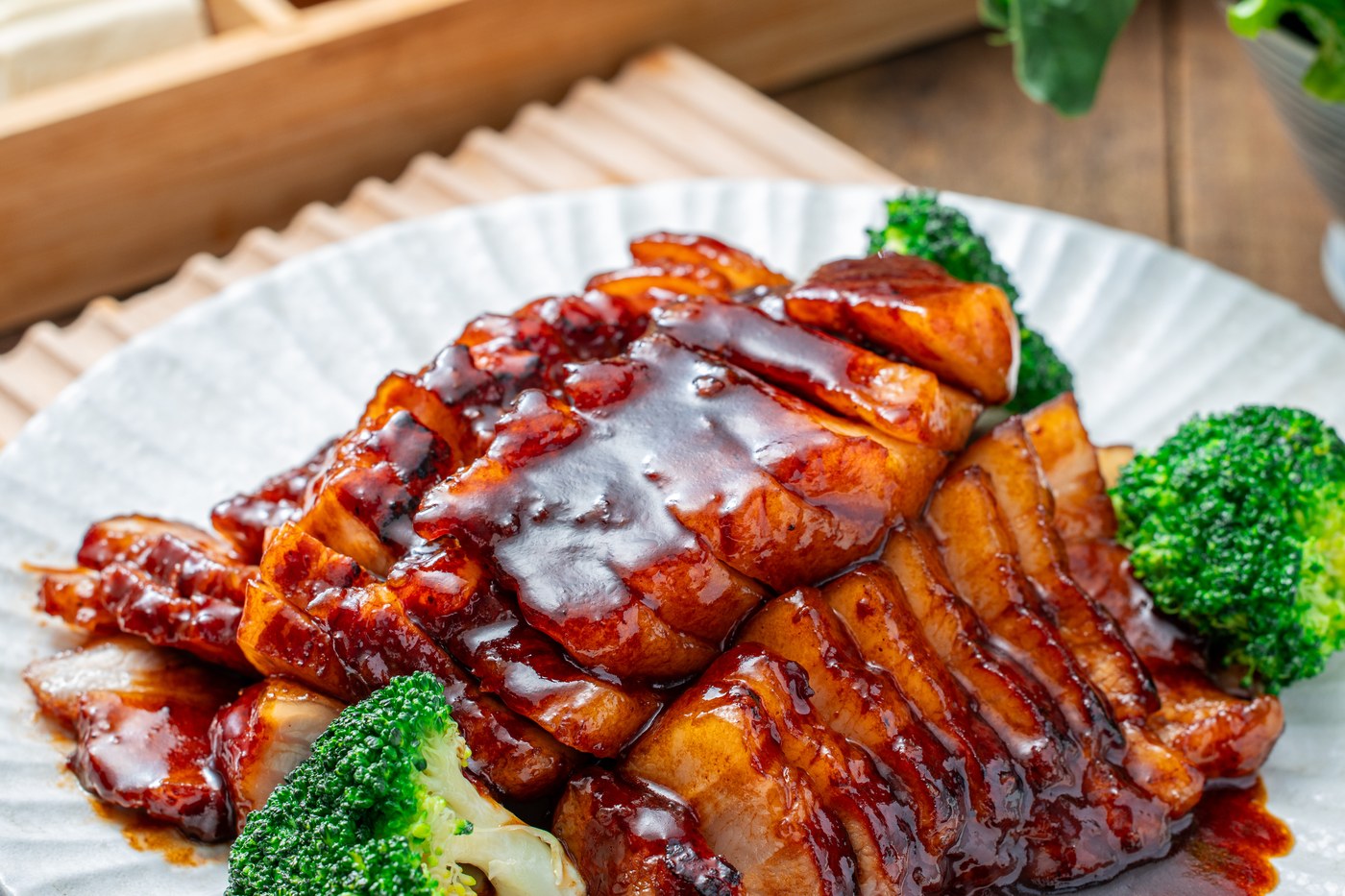
Honey-glazed char siu — the glaze is a formula, not a guess.
Dish & sauce reference
| Dish | Sauce | Service note |
| Orange Chicken | Orange Sauce | Return fried chicken to the wok, glaze 30 seconds |
| General Tso's Chicken | General Tso's Sauce | Sweet with heat; light slurry makes it cling |
| Sweet & Sour Chicken | Sweet & Sour Sauce | Pineapple and bell pepper lift the fruit |
| Mapo Tofu | Mapo / Kung Pao base | Blanch tofu first, finish with chili oil |
| Kung Pao Chicken | Kung Pao Sauce | Peanuts last, so they stay crunchy |
| Char Siu | Char Siu Sauce | Marinate 4+ hours, brush twice while roasting |
| Mongolian Beef | Mongolian Sauce | High heat, fast toss, no water release |
| Teriyaki Chicken | Teriyaki Sauce | Low heat, reduce until slightly tacky |
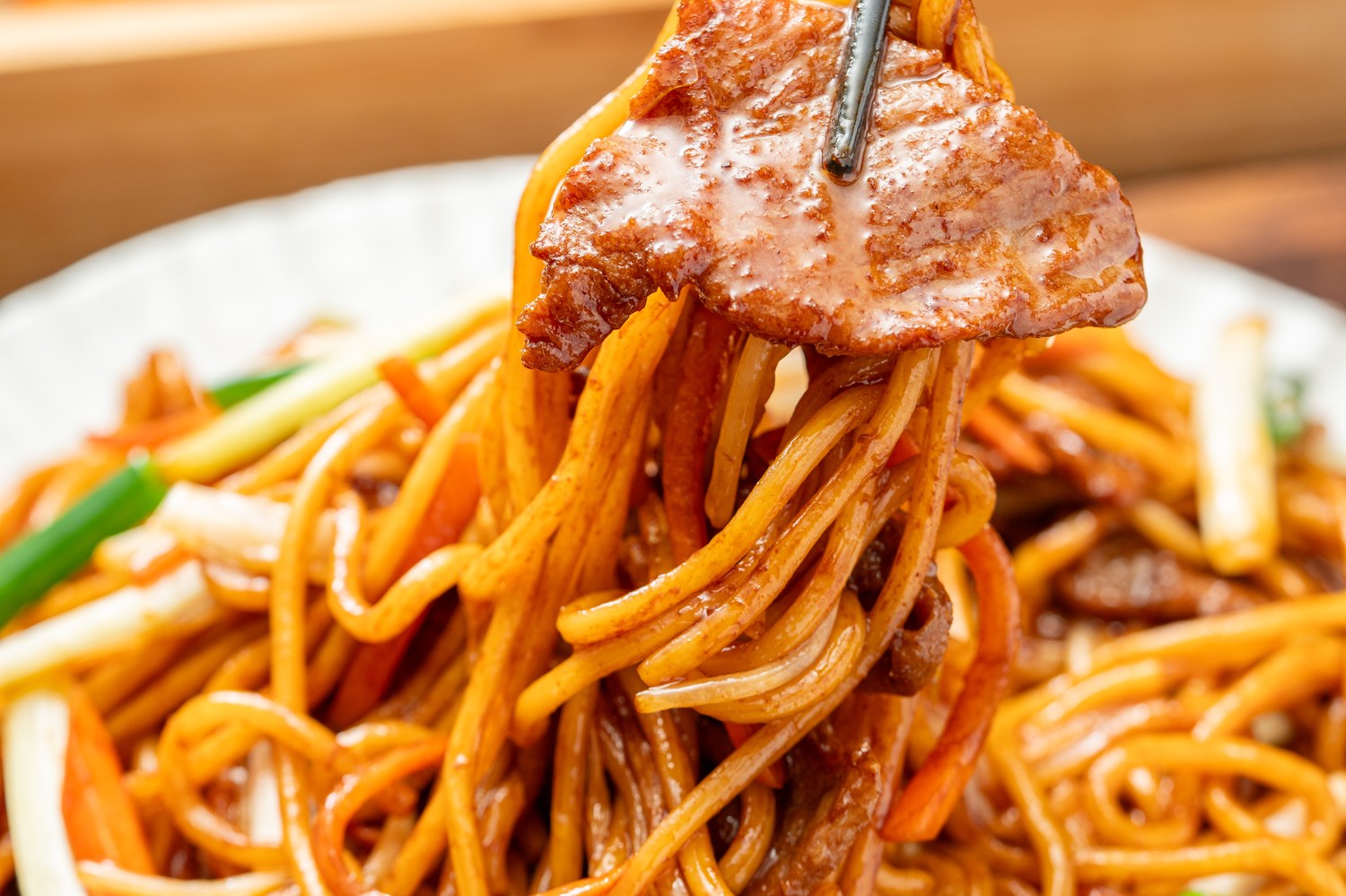
Chow mein — the sauce has to coat, not pool.

Orange sauce, as shipped — ready to use, no dilution.
One last thing
These questions work on any supplier — including us. The ones that survive them are worth signing.
Send us your menu and we will match sauces to your dishes, then come back with a sampling plan — usually within 48 hours. WhatsApp us or email david@kitchenbossfood.com.


